
What Years of Slouching Really Do to Your Body And How to Reverse It
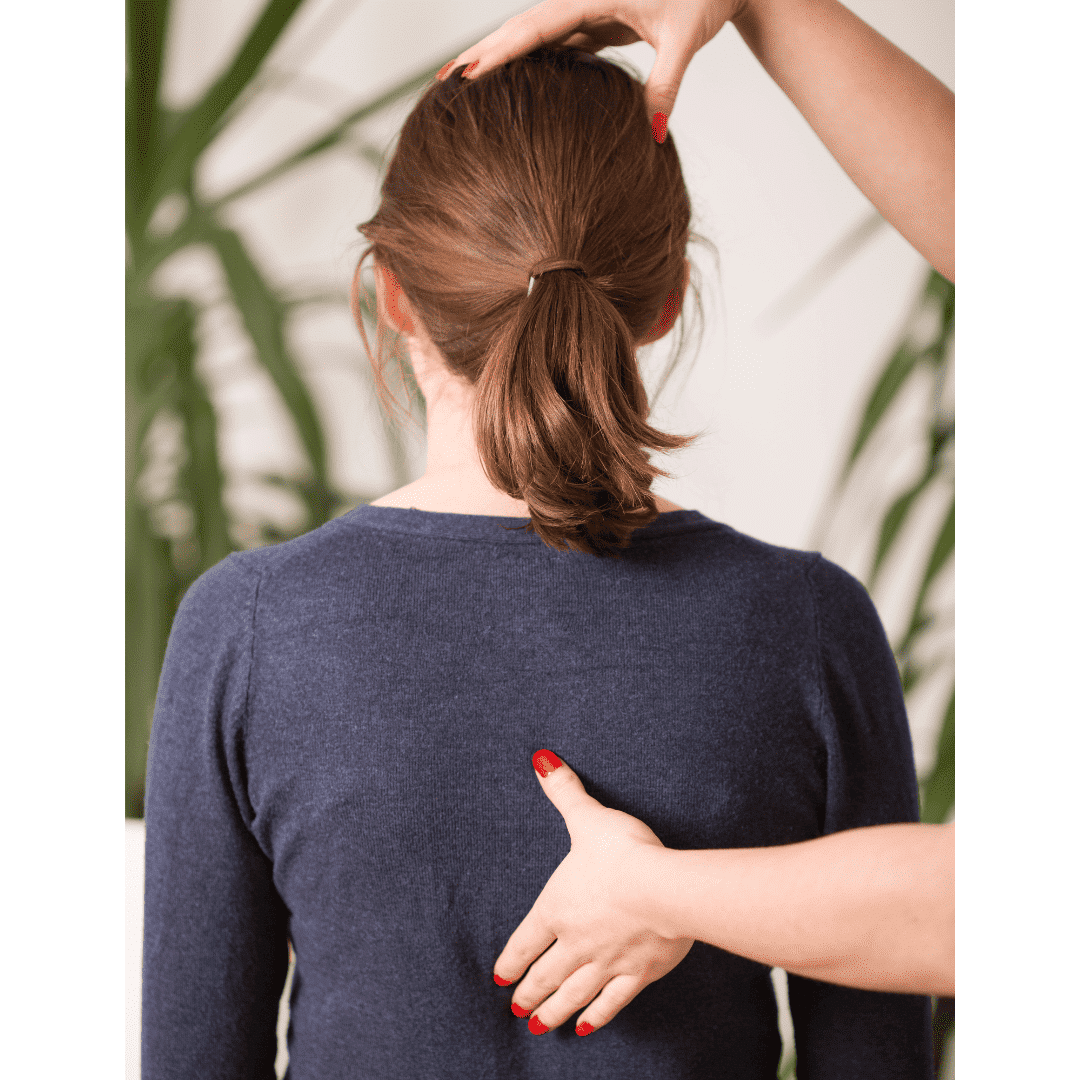
Slouching doesn’t start out feeling like a problem. It’s easy to shrug off—literally. Sitting at a desk, nursing a baby, scrolling your phone on the couch—it all adds up over time. But what begins as a subtle posture habit can slowly snowball into something that affects your energy, mobility, and overall health.
At Rise Chiro in Dublin, we see this every day in the women we work with. Years of forward head posture, rounded shoulders, and a collapsed core create a chain reaction that impacts the entire body. What’s more, most women don’t realize how much of their discomfort is rooted in poor posture until it’s been going on for years.
READ: Why You’re Still Sore Even After Stretching: The Role of Nervous System Tension
This blog unpacks what long-term slouching actually does to your body and, more importantly, how to start reversing it—because it’s never too late to stand tall and feel better from the inside out.
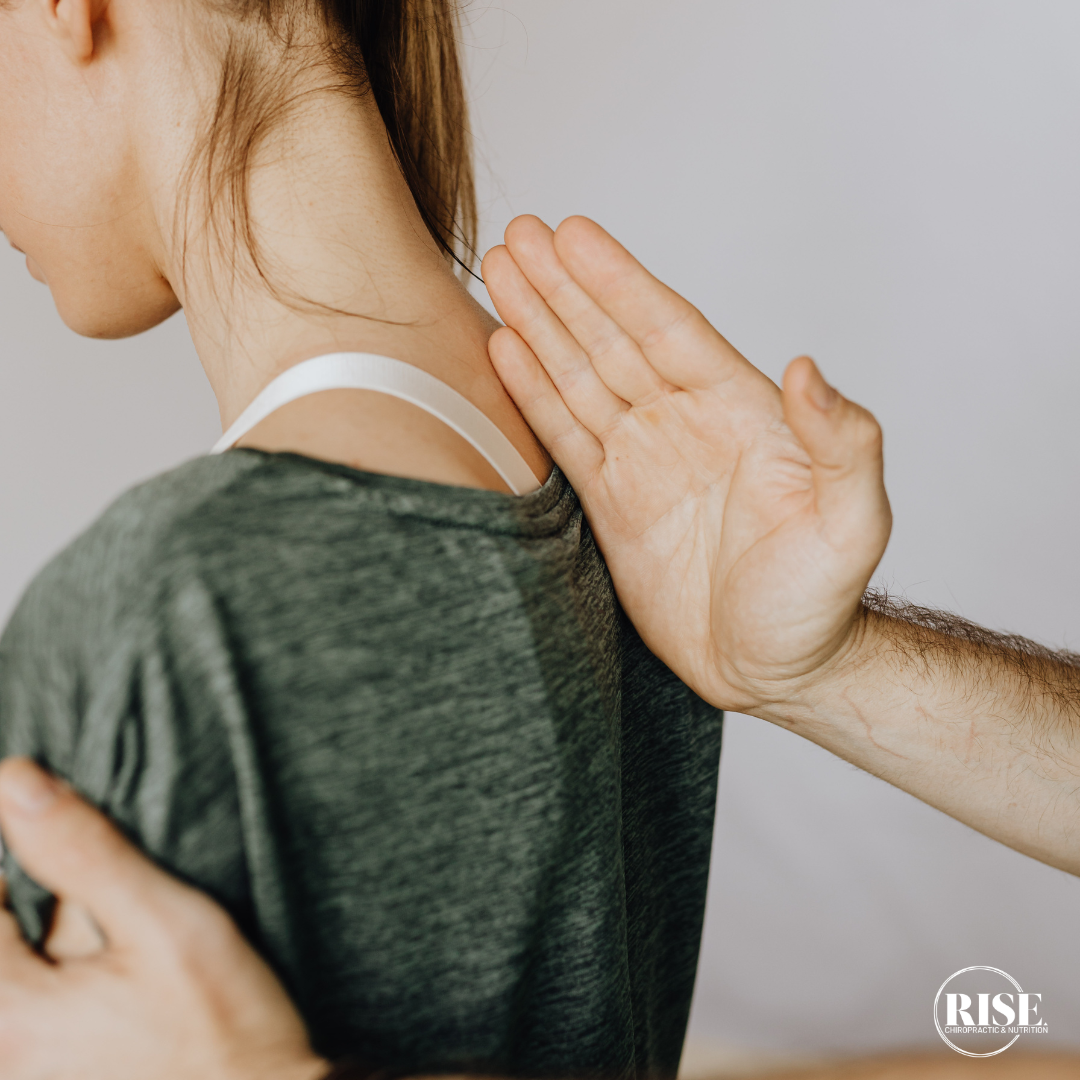
How Chronic Slouching Affects Your Spine and Body
Slouching isn’t just about looking tired or disengaged—it physically alters the way your body moves, supports itself, and even heals. Over time, this seemingly small habit can lead to significant structural changes that affect everything from your spine to your core stability.
Spinal Misalignment
When you slouch, the natural curves of your spine begin to shift. The head juts forward, the shoulders round, and the lower back may flatten or overarch. This misalignment puts constant stress on the vertebrae, joints, and surrounding tissues—leading to stiffness, pain, and uneven wear on the body.
Muscle Imbalances
Postural stress weakens key stabilizing muscles like the deep core, glutes, and mid-back, while overworking others like the upper traps and hip flexors. This imbalance can lead to tightness in the front of the body and weakness in the back, creating a vicious cycle of dysfunction.
Joint and Disc Stress
As posture deteriorates, the load on spinal discs increases—especially in the cervical (neck) and lumbar (lower back) regions. This can result in herniated discs, joint irritation, and chronic inflammation, particularly when slouching becomes the body’s default position.
Slouching is more than a cosmetic issue. It’s a whole-body stressor that slowly rewires how you move—and not for the better.
READ: Nervous System Regulation vs. Relaxation: The Critical Difference for Lasting Wellness
The Surprising Symptoms Slouching Can Cause
Most people expect slouching to lead to a sore back or stiff neck—but its effects reach far beyond discomfort. Over time, poor posture impacts multiple systems in the body, triggering symptoms you might not even realize are related to how you sit or stand.
Headaches and Jaw Tension
Forward head posture strains the upper cervical spine and surrounding muscles, often resulting in tension headaches or jaw tightness. Many women we see at Rise Chiro report relief from chronic headaches simply by addressing postural imbalances.
Fatigue and Low Energy
When your muscles work harder than they should just to keep you upright, it’s no wonder fatigue sets in. Slouching restricts lung expansion, reducing oxygen intake and contributing to energy dips throughout the day.
Breathing and Digestive Issues
Poor posture compresses the diaphragm and abdominal organs, making it harder to take full breaths or properly digest meals. You may experience bloating, shallow breathing, or even heartburn from prolonged slouching.
Mood and Focus Changes
Posture can even influence your mental state. Slouching has been linked to lower mood, reduced self-esteem, and decreased focus—especially in women who juggle work, home, and health demands with limited recovery time.
If you’ve been chasing symptoms like fatigue, headaches, or tension without clear answers, it may be time to look at your posture as the missing link.
Why Women Are More Susceptible to Postural Stress
While posture issues can affect anyone, women face a unique set of challenges that make them especially vulnerable to the long-term effects of slouching. At Rise Chiro, we see these patterns regularly—often layered with lifestyle demands, hormonal shifts, and structural differences that traditional care tends to overlook.
Postpartum and Hormonal Changes
Pregnancy, breastfeeding, and postpartum recovery all place added strain on the spine and pelvis. Hormonal shifts also affect joint laxity and muscle tone, especially around the core and hips, making it easier for poor posture to take hold and harder to self-correct.
READ: Beyond the Adjustment: How Chiropractic Care Becomes Your Secret Weapon for Stress Management
Caregiving and Load Carrying
From lifting children to hauling bags, women often perform repetitive, one-sided movements that strain posture. Over time, these daily patterns create imbalances—tightness on one side, weakness on the other—that worsen slouching.
Work and Screen Time
With the rise of work-from-home setups, many women spend long hours seated without ergonomic support. Laptop use, phone scrolling, and multitasking can all lead to forward head posture and rounded shoulders.
Structural Anatomy
Women naturally have different pelvic and spinal curves than men, which can influence posture and how load is distributed through the body. These differences require a tailored, not templated, approach to posture correction.
Understanding these factors is essential to reversing the effects of slouching. That’s why Rise Chiro specializes in women’s chiropractic care that addresses both the why and the how behind postural stress.
How Chiropractic Care Can Help Reverse Years of Slouching
Reversing years of slouching isn’t about forcing yourself to “sit up straight”—it’s about retraining your body to move, align, and support itself better. At Rise Chiro, we take a holistic, women-centered approach to correcting posture by restoring structure, strength, and awareness from the inside out.
Personalized Postural Assessment
We start with a full-body evaluation that looks beyond symptoms. This includes spinal alignment, shoulder and hip positioning, breathing mechanics, and core engagement. By understanding how your body compensates, we can create a plan that addresses the true root of your posture issues.
Gentle, Targeted Adjustments
Our chiropractic adjustments restore balance to the spine and nervous system. By improving joint mobility and realigning key areas like the cervical and thoracic spine, we help your body move more freely—without the strain that comes from poor posture.
Corrective Exercises and Movement Coaching
We integrate posture-specific exercises that reawaken underused muscles, improve core stability, and build lasting body awareness. These aren’t one-size-fits-all stretches—they’re tailored to your structure and daily life demands.
Whole-Body Support
Through our partnership with Rise Nutrition, we support internal healing by reducing inflammation and improving energy—two key factors that affect how your body holds itself throughout the day.
With the right chiropractic care, years of slouching don’t have to define your future. Your body can learn to stand taller, move better, and feel stronger with every step.

Let's Get You Moving Better
You don't have to keep dealing with pain, plateaus, or disconnected care. Book your evaluation and let our team show you what whole-body care can do.