
Does a Chiropractor Have to Crack Your Neck?
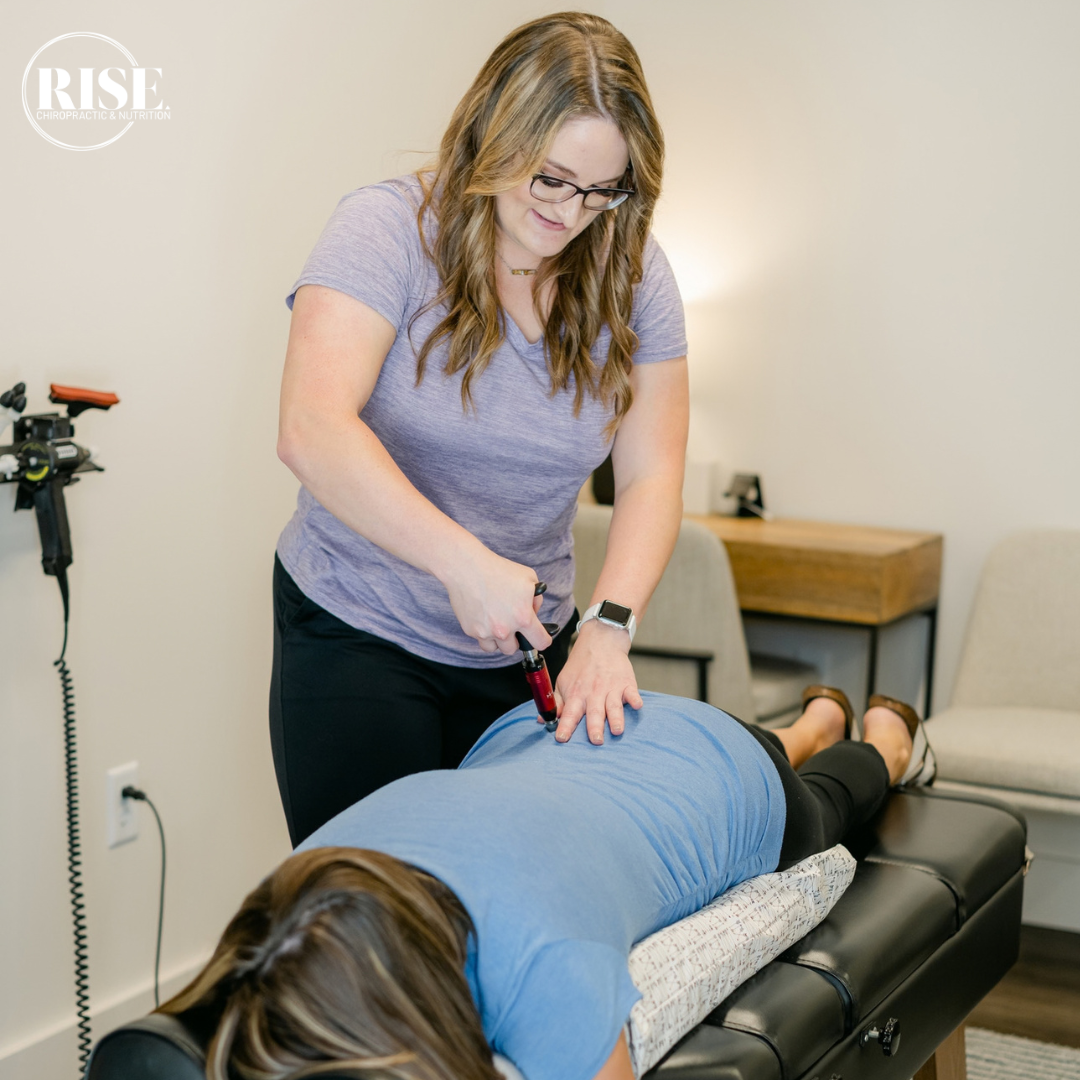
Do you have to get your neck cracked at the chiropractor? This is a question we get a lot, and the short answer is no. Getting adjusted can involve cracking of the neck, but it doesn't have to.
That's the short answer and it's worth putting first, because for some people it's the whole thing standing between them and making an appointment. If the idea of somebody putting hands on your neck and producing a sound makes you want to say chiropractic isn’t for you. You're not being difficult about it, and it's a preference we can work with.
What the adjustment is actually for
It helps to know what we're after in the first place, because the popping isn't the goal. It's a byproduct of one particular way of being adjusted.
What we're trying to change is how a joint is moving and how the tissue around it is behaving, because when something has been stuck or holding a position for months, everything around it adapts to that and starts working differently. Getting motion back into the area and getting that tissue to let go is the actual objective, and there's more than one way to get there.
The other ways to get there
Instrument based adjusting uses a small handheld tool to deliver the input without any twisting or thrust, so nothing pops and there's no sudden movement at all. Cupping and fascial release work get at the soft tissue directly. Craniosacral work is about as gentle as anything we do.
There isn't a fixed order to any of it, and we're not working down a list where declining one thing automatically moves you to the next one. It depends on you, on what you're trying to get back to, and on what the tissue is actually like once we we are able to assess it. Two people who say no to the same thing can end up with completely different treatments.
None of this is specific to necks, either. It applies anywhere you'd rather not be worked on. That is what makes our approach so unique.
What happens when you say no
Not much, honestly. You say it, we make a note of it, and we work somewhere else or in another way. There's nothing to feel awkward about and no judgment in it, and you can say it at your first visit or halfway through your fourth when something that was fine before stops feeling fine.
What we will do is be honest with you. If we think that tissue is genuinely involved in what brought you in, we're going to tell you rather than quietly work around it and leave you wondering in six weeks why nothing has shifted. That sounds like us saying we understand you don't want manual adjusting, and also that getting to the root of this means changing how that tissue is functioning, and here's what that would take.
Then we give you the options, and we don't have to do any of it that day. Go home, think about it, and tell us next time.
What happens before anyone adjusts your neck, or anything else
This part is worth knowing whatever your preference is. There are specific tests we run at your first visit, and things we recheck at follow ups, to make sure it's safe to adjust you at all. That isn't a neck-specific precaution we added because people are nervous about necks. It's part of how we decide what we're doing anywhere in your body, and it happens before anybody puts hands on you.
The one place we'll push back a little
Every so often somebody wants a particular outcome, and the treatment it would realistically take to get there is something they're not comfortable with. When that happens we say so, because we'd rather tell you up front than take your time and your money for months and have you land somewhere short of what you came in for. Sometimes that means adjusting the goal and sometimes it means we're not the right office for it, and either way you'll hear it from us.
If you've been putting this off because of the cracking, that's a reasonable reason to have been putting it off, and it's also a solvable one. There really are a million ways to get adjusted and popping is only one of them, so the more useful question probably isn't whether you'll let somebody touch your neck. It's what you want to be able to do again, and then working backward from there.

Let's Get You Moving Better
You don't have to keep dealing with pain, plateaus, or disconnected care. Book your evaluation and let our team show you what whole-body care can do.